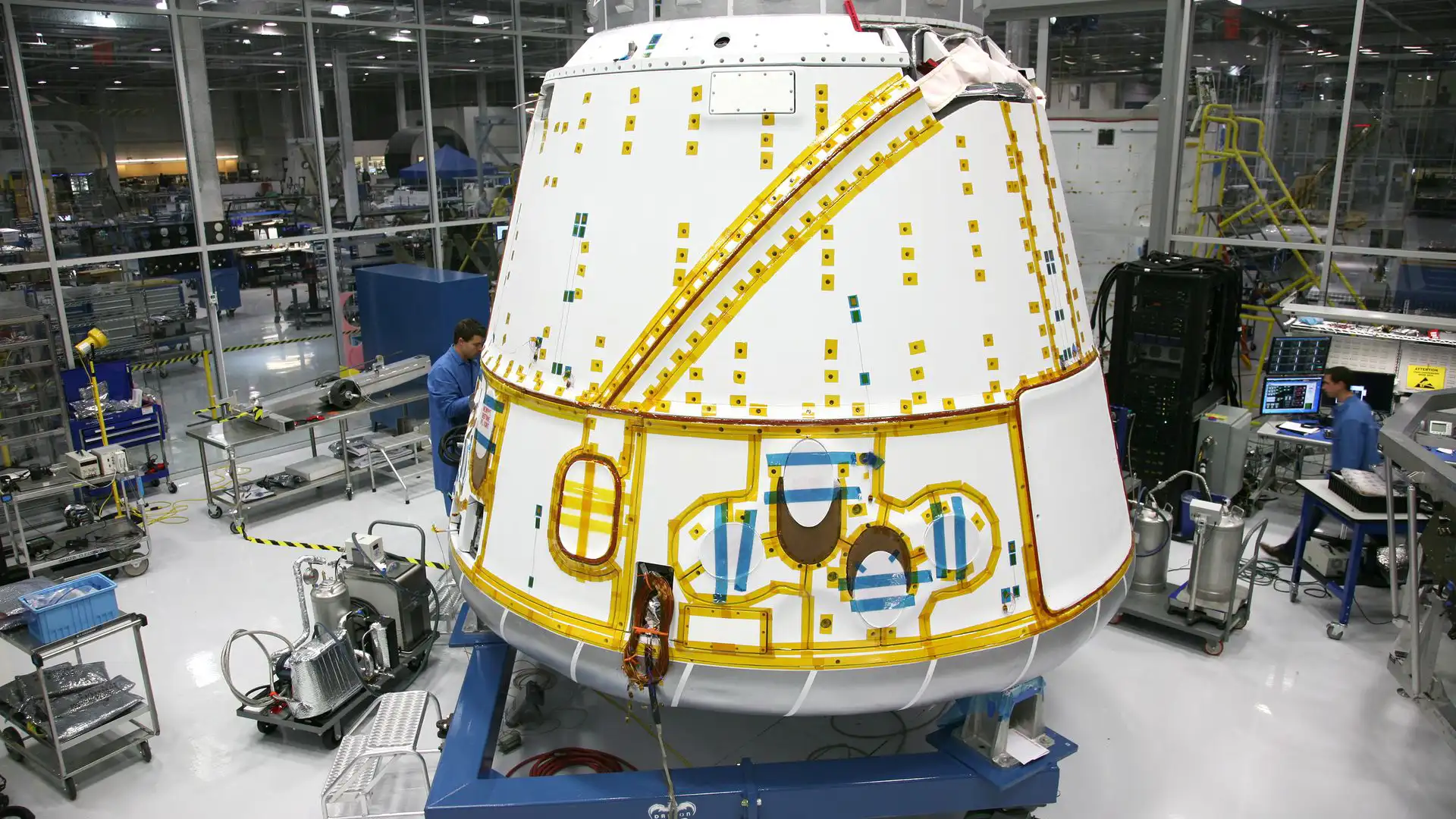
An aspiration, stated as one.
A prospective direction rather than current work — the precision engineering, embedded electronics and autonomy that aerospace applications would require.
Problem, Possibility, Method, Result.
The four questions this page answers about Future Aerospace, in the order it answers them.
Industry Challenges
Aerospace qualification demands documented reliability evidence that takes years to accumulate.
Weight, power and thermal budgets are far tighter than in industrial equipment.
Components must operate without intervention for long periods in environments that cannot be revisited.
Entry requires demonstrated capability in adjacent, better-understood domains first.
Technology Opportunities
Precision mechanical design and embedded electronics transfer directly from industrial work.
Autonomy and perception research applies where remote operation is impossible.
Inspection and testing capability developed for industry supports aerospace qualification work.
Academic collaboration provides a route into research-stage aerospace problems.
Vionexta Approach
- Treat this as a prospective direction and say so, rather than presenting it as current capability.
- Build the underlying engineering strength — precision mechanics, embedded electronics, autonomy — through industrial work where it is validated commercially.
- Pursue academic and research collaborations rather than premature product claims.
- Revisit this page's framing when actual aerospace work begins.
Potential Outcomes
Engineering capability developed and validated in industrial applications
Research collaborations in autonomy and precision systems
A documented, honest position on what is aspiration and what is capability
Relevant Technologies
Embedded Systems
PCB design, sensors, embedded controllers, firmware and real-time systems — the hardware layer beneath robotics and industrial intelligence.
Robotics
Industrial, inspection and collaborative robots, and the software and manipulation research that makes them useful on a real factory floor.
Artificial Intelligence
Computer vision, machine learning, edge AI and decision support, developed as an enabling layer inside physical engineering systems.
Future Possibilities
Subsystem engineering for aerospace applications, once the underlying capability is qualified.
Autonomy and perception research applied where no operator can intervene.
Participation in collaborative aerospace research programmes.
Let's Build the Future Together.
Whether you are Industry, a Research Institution, a University, a Government Agency, a Technology Partner, an Investor or a Student — we welcome opportunities to collaborate and create technologies that shape tomorrow.